

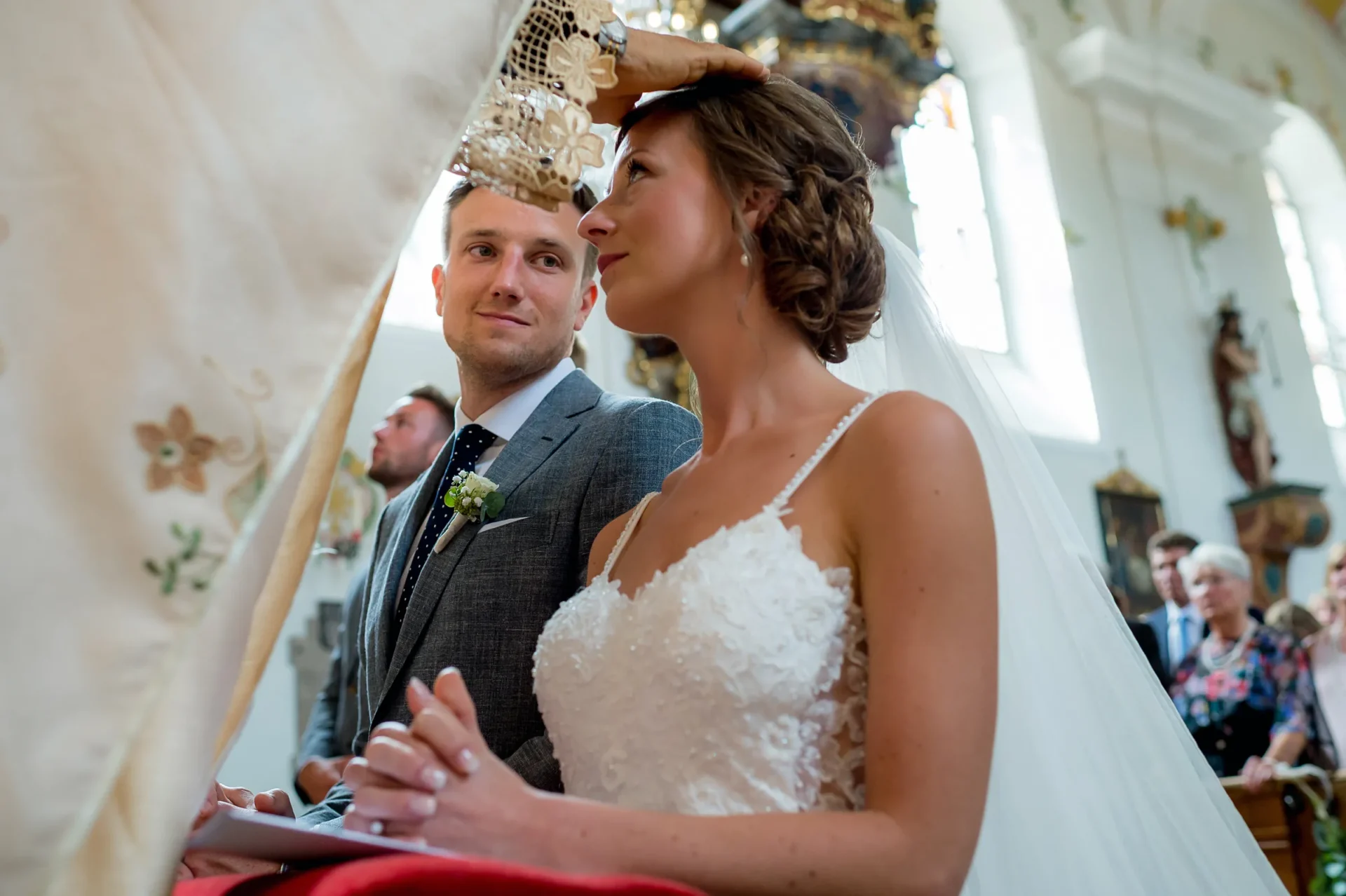
Most couples choose a venue by how it looks and how many people fit in it. Almost nobody chooses it by whereeveryone sleeps afterwards — and that decision shapes more of the weekend than the venue itself.
There are really three versions of a destination wedding, and they produce three different weekends.
Rent the whole place. A villa, a small hotel, an old castle — booked entirely for your group, everyone under thesame roof.
A hotel or all-inclusive resort. Rooms for everyone, an on-site coordinator, and most of the work taken off yourhands.
Everyone books their own. Guests scattered across a town, arriving and leaving by car or shuttle.
We’ve photographed all three, in dozens of countries. Here’s what actually changes.
When everyone sleeps in the same place
We photographed a wedding in Anguilla where the couple rented a beautiful villa and the entire group stayed init. In Barbados, a small hotel was taken over completely — the whole property, just for the wedding. In Antigua,the same thing with a lovely old hotel. Across the Caribbean, Mexico and Costa Rica we’ve often stayed in thesame resort as the guests.
One of the clearest examples was a villa in Guanacaste, Costa Rica. Twenty guests, the entire villa to themselves.By the second day nobody was treating us as the photographer anymore. We were part of it, and that’s exactlywhen the pictures get good — people stop performing for a camera when the person holding it has been atbreakfast with them.
That’s the thing nobody tells you: the wedding doesn’t start at the ceremony. It starts the moment everyone is inthe same building.
The morning
When everyone sleeps on site, we pick up the camera the moment we leave our room, and everything from thereis photographable.
People are relaxed in a way they never are in a hotel lobby. Nobody has just arrived from somewhere; they’realready here, in yesterday’s mood, having coffee with people they hadn’t seen in years. Those frames don’t exist ata wedding where guests turn up in a shuttle at four in the afternoon.
There’s also a practical advantage that no one mentions. When the property is yours, everyone in the framebelongs to the wedding. We never have to work around strangers by the pool, or worry about photographing
someone else’s holiday. The whole place is the wedding.
The afternoon before the ceremony
This is the calmest part of the day and it works best on site.
Guests go down to breakfast, then back to their rooms. They shower, they sit in the air conditioning, they getready without rushing, and most of them come down shortly before the ceremony — usually because it’s hotoutside and they want to look their best when it starts, not after twenty minutes in the sun.
None of that is possible if people are travelling in. A guest who has spent forty minutes in a shuttle arrivesalready tired.
After the official end — this is the real argument
Weddings usually end officially somewhere between 22:00 and 23:00. That’s when the difference becomesenormous.
Older guests go up to their rooms, which is fine, and everyone else keeps going. At a resort, people move to theresort’s club. At a castle in Europe, tables and chairs get dragged together outside and people sit and talk until itstarts getting light.
We’re almost always among the last to leave. Four, five in the morning, regularly. Not out of stubbornness —because we never know what’s coming, and those hours produce photographs we can’t get any other way. Honestembraces. People crying. The couple finally letting go after a year of building this thing, sitting down for the firsttime all day and realising it actually happened the way they wanted.
If everyone had gone back to a hotel in town at 23:00, that part of the wedding wouldn’t exist. Not “would havebeen harder to photograph” — wouldn’t exist.
The honest downsides
Noise is the main one, and it’s less of a problem than people fear. Villas of this kind usually aren’t sitting next toneighbours, and most of the places we’ve worked have been well isolated.
But it does come up. At a castle about an hour from Rome, the music had to come down at midnight. People whowanted to keep going still could, and people who wanted to sleep could sleep. Everyone moved inside and thenight carried on as long as they wanted.
Honestly, that’s the right outcome. A wedding has both kinds of guests in it and both deserve consideration. Ifyou’re renting a place with a curfew, find out early whether you can move indoors and keep going — that’susually the whole solution.
Beyond noise, the things that catch couples out are practical rather than dramatic: bed count, who ends upsharing, how far the rooms are from the party, and whether elderly guests can get around the propertycomfortably. None of it is a reason not to do it. All of it is a reason to ask before you sign.
When a hotel or resort is the better answer
We’d genuinely recommend a hotel — especially all-inclusive — to a specific kind of couple: the one whodoesn’t want to think about any of it.
You get a coordinator on site and everything from A to Z. The welcome dinner, the food, the setup, the timing.We’ve had wonderful experiences at these weddings, including a private welcome dinner in a beautiful separateroom with exceptional food. Nobody had to organise a thing.
The trade-off is simple. A resort gives you ease. A villa gives you your own fingerprint on the weekend. Coupleswho rent a whole place almost always do it because they want the day to be theirs in a way a package can’t be.
One caveat if you go the resort route: the resort will usually offer you their photographer. Ask exactly who willbe shooting your wedding, and ask to see that individual’s complete galleries — not the resort’s best selectionfrom ten different people.
What to ask before you sign
Whatever you choose, put every answer in the contract. Not because anyone is trying to mislead you — becauseyou’re signing a year or two before the wedding, and by then nobody remembers what was said in a phone call.
What time does the music have to stop, and what exactly can continue after that? Indoors, outdoors,acoustic only?
What does an extra hour cost, and how late can we buy? Ask for the number now, not on the night.
Where do we go if it rains? Ask to see the alternative space in person or in photographs. “We have a plan” isnot a plan.
Is the entire property ours, or will there be other guests?
How many beds are there, and where do people sleep? Then map it against your actual guest list.
Can we use our own suppliers, or is there a required list? This one changes budgets significantly.
What’s included in the rental? Tables, chairs, kitchen access, staff, cleaning, and what’s billed separately.
How do elderly guests move around the property? Stairs, distances, lighting at night.
Is there more than one wedding that day? Common at resorts, and it decides whether your ceremony timeis a slot.
What happens if the guest count changes? Both directions.
Ten questions, and the answers to them tell you more about your wedding than any photograph of the venue will.
The short version
If you want everything handled and no decisions, take the resort. If you want the weekend to feel like yours, rentthe whole place and let everyone sleep in it.
And if you care about the photographs — the honest ones, the ones from before and after the part everybodyplanned — the answer is the same one every time. The wedding you get is the one people don’t have to leave.


